
First Time Motorhome Rental Guide for Europe
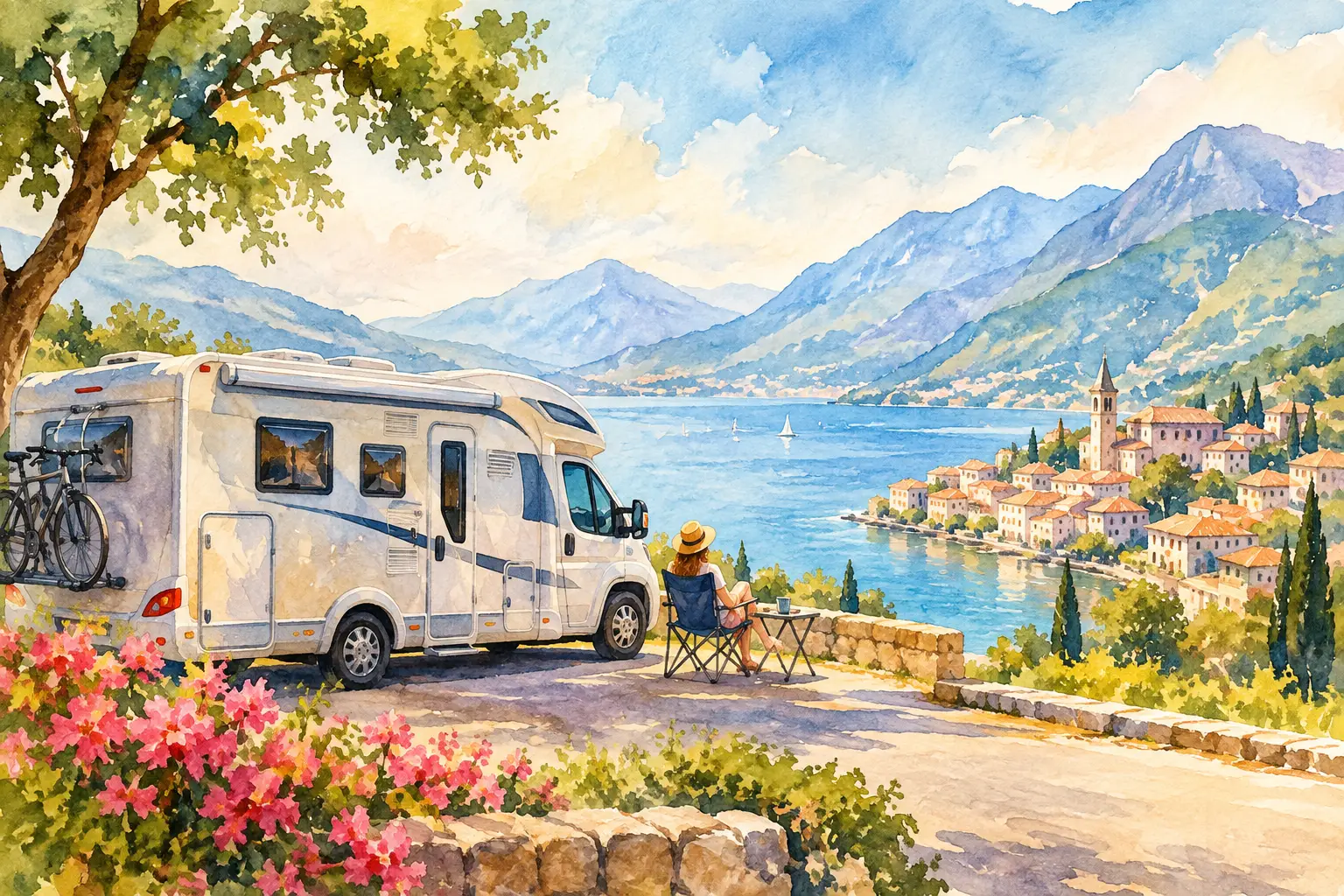
A first morning in the Alps, a quiet lakeside supper in Slovenia, or waking up near the Croatian coast sounds wonderfully simple. For a first-time motorhome holiday, it can be – provided you leave room for the practical side of life on wheels. This first time motorhome rental guide is here to replace uncertainty with the good kind of anticipation: the feeling that your European road trip is genuinely yours.
A motorhome gives you more freedom than a hotel booking ever could, but it also asks you to make a few decisions before turning the key. The right vehicle, an unhurried route and a proper handover make all the difference. You do not need previous camping experience. You simply need to know what matters first.
Choose a motorhome that suits your trip
The temptation is to choose the biggest motorhome available. Sometimes that is exactly right – particularly for a family needing proper beds, generous storage and comfortable indoor space on a longer holiday. For a couple or two friends, though, a more compact campervan or motorhome can feel easier on narrow village roads, at fuel stations and when parking near a city centre.
Think about how you will actually travel, not only where you will sleep. Will you be driving every day or settling for several nights by a lake? Are you bringing children, bicycles, skis or a dog? Do you want to cook most evenings? These answers affect the space you need, as well as the ideal layout.
Automatic transmission is particularly reassuring for first-time drivers, especially when you are learning a new vehicle while navigating mountain roads or busy border crossings. Modern motorhomes with GPS, reversing cameras and safety systems take much of the pressure away, but they do not remove the need to drive calmly and give yourself time.
At Flying Dog, new LMC and Carado motorhomes are equipped for comfortable European touring, rather than bare vehicle hire. That means you can focus on the route ahead instead of immediately shopping for essential equipment.
Plan the first two days, not every minute
A motorhome holiday works best when it has structure without becoming a timetable. Plan your collection day carefully and keep the first drive short. Even if you are an experienced car driver, the first hour behind the wheel is when you learn the vehicle’s mirrors, braking distance, turning circle and height.
If you are collecting in Bratislava, the surrounding region offers an ideal gentle start. You can head towards Austria, Hungary or the Slovak countryside without needing to cover hundreds of kilometres on day one. Vienna collection or delivery can also make sense if your flights and route point west, but do not let a convenient airport push you into an overambitious itinerary.
For the first two nights, book campsites or reliable motorhome stops in advance. This gives you a proper place to connect to electricity, fill with fresh water and become familiar with the living area. Once you know how everything works, spontaneous detours become much more enjoyable.
When planning distances, use your realistic driving pace rather than car-based estimates. Scenic roads, toll booths, fuel stops, shopping and breaks all take longer in a motorhome. Around 150 to 250 kilometres can be plenty for a travel day, depending on the country, road type and your confidence.
What to learn at the handover
A thorough handover is not a formality. It is your chance to ask every question, including the one you think may sound obvious. A good rental partner will show you the essentials in a logical order and make sure you are comfortable before departure.
Pay particular attention to the vehicle height, width and length. Put the height somewhere visible in the cab, because low bridges, covered car parks and some petrol station canopies are not forgiving. Practise adjusting the mirrors and reversing camera before you leave the collection point.
You should also understand how to operate the heating, hot water, hob, fridge, toilet cassette, fresh-water tank and waste-water tank. Ask how the electrical system works when you are connected to mains power and when you are not. Most systems are straightforward once explained, but discovering a detail late at night in the rain is not part of anyone’s dream road trip.
Before setting off, check that you know where the following items are kept:
- power cable and adapters for campsite hook-up
- levelling blocks and any camping furniture
- water hose and fittings
- warning equipment and safety kit
- documents, insurance details and support contact information
Take photographs of the vehicle at collection for your own records, even when the condition report is clear. It is a sensible habit, not a sign of mistrust.
Driving a motorhome with confidence
Motorhomes are designed for touring, not racing. The most useful adjustment is mental: slow down earlier than you would in a car. Leave extra room when braking, take corners wider and look well ahead for signs that affect larger vehicles.
Motorway driving is often the easiest part. The greater challenge comes in historic towns, rural lanes and busy campsite entrances. If a road looks too narrow, do not hope that it will improve around the next bend. Pull over safely, check the map and choose another way. GPS is helpful, but it does not always understand local restrictions, low clearances or roads unsuitable for your particular vehicle.
When reversing, use a second person outside whenever possible. Agree simple hand signals before starting and keep them in view at all times. If you lose sight of them, stop. This small rule prevents a remarkable number of avoidable scrapes.
Fuel stations deserve a little patience too. Approach wide, note the height of the canopy and avoid squeezing between parked cars. Plan fuel stops before the tank is low, particularly in mountainous areas or on Sundays and public holidays when smaller stations may have fewer services.
Pack for living, not for moving house
One of the joys of a fully equipped motorhome is that you do not have to pack your kitchen cupboards. Bring comfortable layers, proper walking shoes, swimwear, a waterproof jacket and a torch. Soft bags are usually easier to store than hard suitcases, and fewer belongings make life on board noticeably calmer.
Food shopping is best done little and often. Fresh bread from a local bakery, fruit from a market and dinner ingredients chosen on the day are part of the pleasure of travelling through Europe. Stock a few basics at the start, then enjoy the freedom to buy local produce in Austria, Italy, Slovenia, Croatia or wherever the road leads.
Keep the cab uncluttered. A loose water bottle or bag can become a distraction while driving, and a tidy space makes every stop feel more relaxed. If you are travelling with a dog, bring familiar bedding, leads, bowls and a towel for muddy paws, then choose overnight stops with shade and good walking nearby.
Campsites, overnight stops and good motorhome manners
Not every beautiful viewpoint is a legal place to stay overnight. Rules vary across Europe and can change by region, municipality or season. Use official campsites, designated motorhome areas and permitted parking places, especially while you are still getting used to the vehicle.
Campsites are not only for families and tents. They offer practical advantages: showers, electricity, laundry, waste disposal and often a peaceful setting after a driving day. Aires and motorhome stops can be excellent for a one-night break, but facilities and space differ greatly, so check what is available before relying on one.
Be considerate with water, noise and waste. Empty the toilet cassette only at designated points, never release grey water where it does not belong, and leave your pitch cleaner than you found it. Freedom on wheels works because travellers respect the places that welcome them.
Budget for the journey, not just the rental
A transparent rental price matters, but your total holiday budget also includes fuel, tolls, campsites, food and activities. Motorway tolls differ by country: some use vignettes, others charge by distance, and certain tunnels or mountain passes have separate fees. Research the countries on your route before departure, then keep a modest contingency for a detour, an extra campsite night or a meal you simply do not want to miss.
Mileage policy is worth checking as well. Unlimited peak-season mileage can make a multi-country adventure feel far less restrictive, while a shorter, slower trip may not need as much distance. Insurance cover should be clear, including what to do if a warning light appears or you need help abroad.
Let the trip become yours
Your first motorhome holiday will include a few small learning moments. You may take five minutes to park on the first day, forget which cupboard holds the mugs, or decide that an afternoon by a lake is better than another museum. That is not getting it wrong. It is exactly how the rhythm of motorhome travel begins.
Leave space between the places you pin on the map. Stop when the view is worth stopping for, linger when the campsite is lovely, and remember that the best part of the journey is often the unplanned evening when everyone is comfortable, dinner is cooking, and tomorrow is still wide open.
