
Camping Regulations for a Carefree European Trip
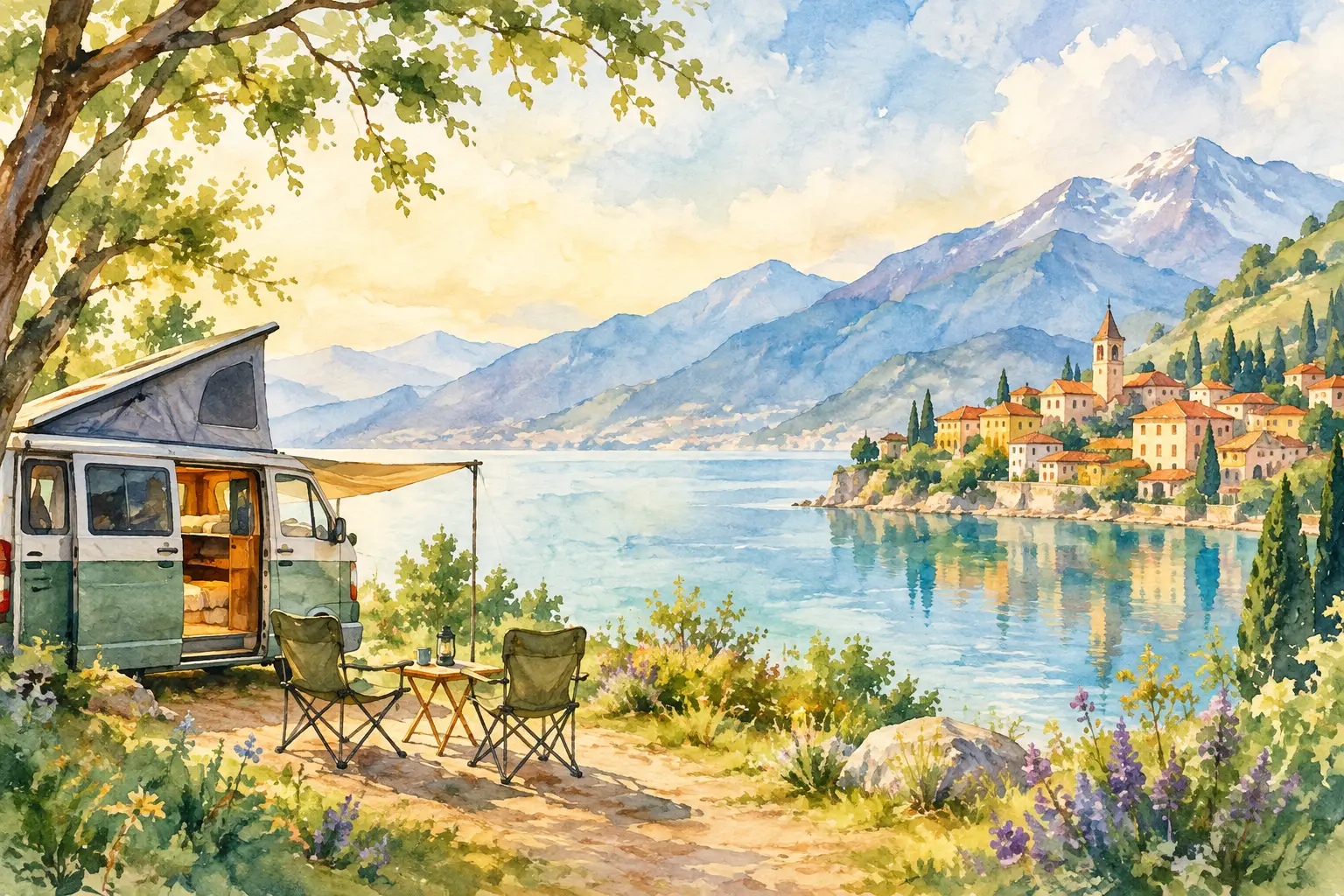
You have found the mountain pass, the lake is glowing in the late-afternoon sun, and your motorhome is ready for the night. Before putting the kettle on, one question matters: can you legally stay here? Camping regulations are the quiet part of a European road trip, but understanding them is what keeps freedom on wheels feeling genuinely free.
For motorhome travellers, the main rule is simple: a place that looks peaceful is not automatically a permitted overnight stop. Rules change by country, region, municipality, nature reserve and even car park. A little preparation protects your holiday from fines, awkward knocks on the door and the far more frustrating task of finding a campsite after dark.
Why camping regulations differ so much
Europe is wonderfully close together, yet its approach to overnight motorhome stays is anything but uniform. Some countries have a strong culture of designated motorhome areas, often called stellplatz or aire-style stops. Others expect travellers to use registered campsites unless they have explicit permission from a landowner.
The biggest source of confusion is the difference between parking and camping. In many places, you may be allowed to park a motorhome in a standard parking space and even take a rest after driving. The moment you make your stay look like camping, however, the rules can change. Setting out chairs, opening an awning, using levelling ramps, cooking outside or leaving waste around the vehicle may be treated as camping rather than parking.
This does not mean you need to fear every overnight stop. It means you should read the signs where you are, check local rules before arrival and choose purpose-built places whenever possible. They are usually safer, more comfortable and better equipped for the job.
Camping regulations: the practical rules to know
Wild camping is rarely a safe assumption
Wild camping is often used as a catch-all phrase, but it can mean different things. Sleeping in a tent in open countryside, stopping a campervan in a lay-by, and staying in a remote forestry car park may all be regulated differently.
For a motorhome trip through Austria, Italy, Slovenia, Croatia or Hungary, assume that unrestricted wild camping is not permitted unless you have clear, local confirmation otherwise. Protected landscapes, beaches, national parks, lakeshores and mountain areas usually have tighter restrictions, often with substantial penalties. Coastal locations can be especially tempting and especially controlled in high season.
Private land is not a loophole. You need the owner’s permission, and local municipal restrictions may still apply. A friendly agreement with a vineyard, farm or rural property can make for a memorable night, but ask first and leave the place exactly as you found it.
Official motorhome stops offer the best balance
A designated motorhome stop is often the easiest answer for one-night stays. These areas may provide marked pitches, fresh water, waste disposal, electricity and a simple payment system. Some are basic municipal spaces; others sit beside restaurants, vineyards, spas or small towns worth exploring.
Do not assume every designated stop has every facility. Arrive with enough water, check whether electricity is available, and be ready to pay by card or coins depending on the location. In busy summer periods, popular stops near lakes, coastlines and famous hiking areas can fill early.
Registered campsites are the better choice when you want to spread out, use facilities, stay several nights or give children and dogs more room to relax. They also make practical sense after a few days of travelling, when a proper shower, laundry and a full service point are more valuable than another quick overnight halt.
Signs always beat assumptions
Road signs and car-park notices are your local rulebook. Look for symbols that prohibit overnight stays, camping, larger vehicles, access at certain times or entry above a specified height or weight. In historic towns, restrictions can apply well before the centre, so follow approved motorhome parking signs rather than trusting a standard sat-nav route.
If a sign is unclear, do not interpret silence as permission. Ask at a tourist information point, campsite reception, petrol station or local restaurant. A quick question can reveal a nearby authorised place that is quieter and more scenic than your original plan.
Keep your pitch within its boundaries
Even at a permitted stop, courtesy matters. Park inside the marked space, keep noise low, and avoid blocking access for other vehicles. Leave your chairs, table and outdoor equipment packed away unless the site specifically welcomes their use.
This can feel restrictive when you have chosen a motorhome for spontaneous outdoor living. Yet it is also how motorhome travellers keep access to excellent places. When a few visitors turn car parks into untidy campsites, local authorities often respond with blanket restrictions that affect everyone.
Waste, water and toilets are not optional details
A self-contained motorhome gives you independence, but it also brings responsibility. Grey water from sinks and showers must go into a proper disposal point, never into a drain that is not marked for it, a storm-water grate, a field or a roadside verge. Toilet cassette contents belong only in designated chemical toilet disposal facilities.
Plan servicing before it becomes urgent. On a longer route, make a habit of checking fresh water, grey water, toilet capacity and rubbish each day. A well-equipped motorhome makes these jobs simple, but it cannot make inappropriate disposal acceptable.
Rubbish rules can be surprisingly strict. Separate waste where required, use official bins and never leave bags beside a full container. If there is no suitable bin, keep the rubbish securely stored until you reach one. This is particularly important in bear-sensitive mountain areas and along hot coastlines, where food waste attracts animals quickly.
Driving rules affect where you can camp
Camping plans and driving rules are closely connected. Low-emission zones, restricted historic centres, mountain roads, height barriers and seasonal road closures can all change where you can realistically stay.
Before entering a city, check whether your motorhome needs an environmental sticker, registration or payment. Do not follow a car route blindly through narrow old streets. A modern motorhome may be easy to drive, especially with automatic transmission and parking assistance, but its height, width and turning circle still deserve respect.
In alpine regions, check weather and road conditions rather than relying on a summer itinerary. A mountain campsite can be ideal in warm, dry weather and a poor choice during heavy rain, early snow or a storm warning. Carry the equipment required for the season and choose a lower-altitude alternative when conditions call for it.
A simple pre-stop check for every night
Before committing to an overnight location, take two minutes to run through the essentials:
- Is overnight parking or camping clearly permitted here?
- Are you outside a protected area, beach restriction zone or private land without permission?
- Can you fit safely without blocking roads, entrances or other spaces?
- Do you have enough water, power and toilet capacity until the next service point?
- Can you leave without disturbing neighbours or damaging the ground?
This small routine is particularly reassuring for first-time motorhome travellers. It turns an uncertain arrival into a confident decision and leaves more time for the part that matters: dinner outside a beautiful town, an evening walk, or a calm night before the next stretch of road.
Plan ahead, then leave room for the journey
A sensible route does not mean booking every night months in advance. It means knowing your options. Keep a mix of campsites and designated motorhome stops in mind, especially near your key destinations, and have a backup before driving into a popular area late in the day.
Flying Dog guests starting from Bratislava have a particularly good choice of routes into Austria, Hungary, Slovenia, Croatia and northern Italy. Each border may bring different road rules and camping expectations, so build a few minutes of research into your morning coffee routine. Your handover is also the right moment to ask practical questions about the vehicle’s water, toilet and electrical systems before you set off.
The best overnight stop is not always the most remote one. Often it is the small, well-run place where you can sleep legally, dispose of waste properly, wake up relaxed and drive on without a worry. Respect the place, trust the local rules, and Europe stays open for the next adventure.
