
Carado Motorhome Review for European Trips
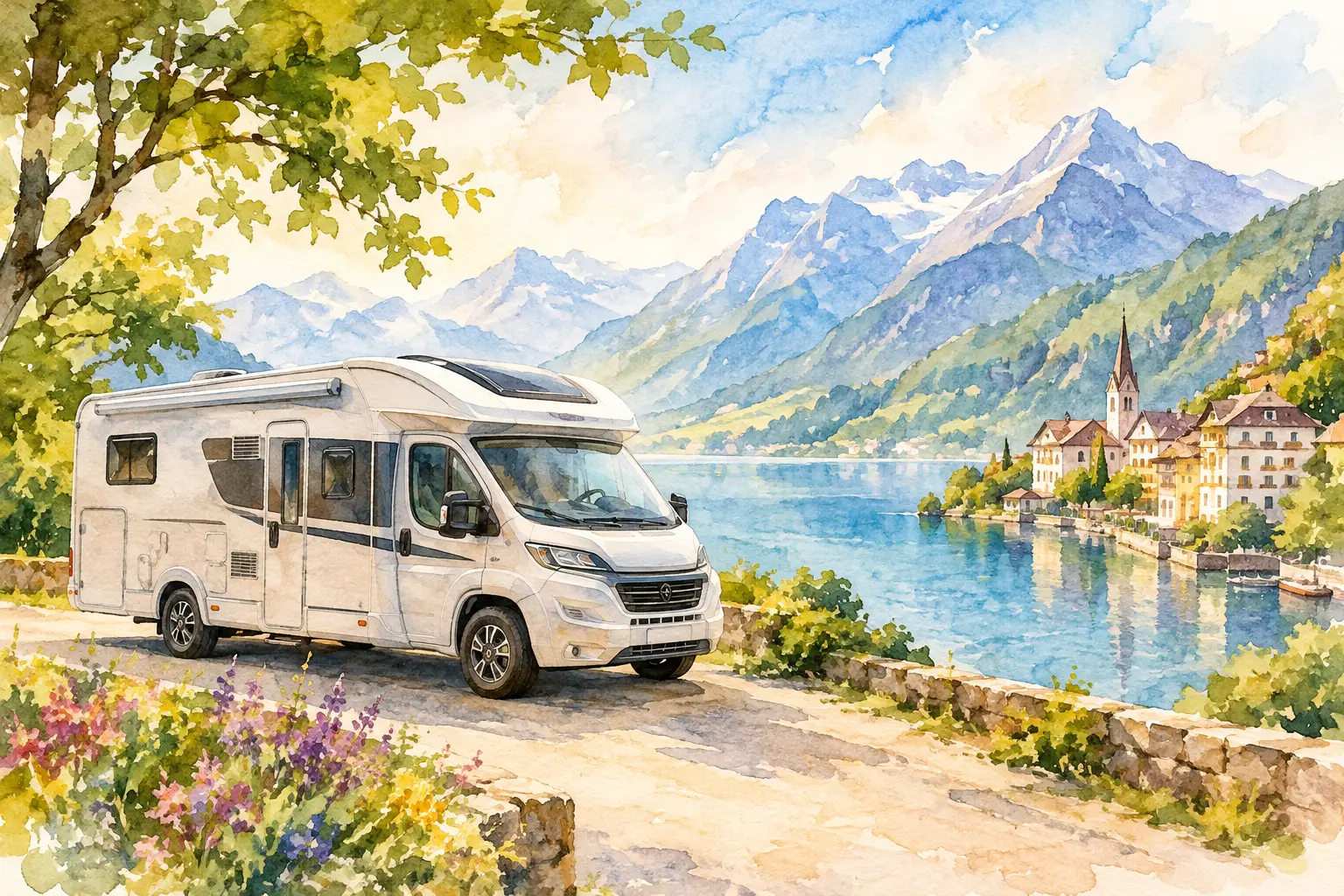
A motorhome has to do more than look smart on the forecourt. It has to feel easy on a wet motorway, keep everyone comfortable after a long day in the Dolomites, and make a simple overnight stop by an Italian lake feel like part of the holiday. This Carado motorhome review looks at whether the German brand delivers where it counts: practical living, relaxed driving and good value for European adventures.
Carado has earned a strong following among travellers who want a well-built, thoughtfully equipped motorhome without stepping into the highest price bracket. Its models are designed for people who use their vehicle properly – couples heading south for a fortnight, families following the Adriatic coast, friends escaping for a long weekend, and first-time motorhome travellers who want confidence rather than complication.
Carado motorhome review: the overall feel
Carado sits within the well-established Erwin Hymer Group, and that background shows in the fundamentals. The interiors are modern and clean rather than overly decorative, the layouts tend to make sensible use of every centimetre, and the driving position feels familiar to anyone used to a modern van or large car.
The appeal is not about flashy extras for their own sake. It is about creating a comfortable, dependable base for travelling freely. You can make breakfast before the campsite wakes up, keep jackets and walking boots out of sight, shower after a swim, then settle in with enough space to enjoy the evening if the weather turns.
That said, Carado is a value-led brand, so expectations should be realistic. You may not find the same level of soft furnishings, elaborate lighting or premium cabinetry found in luxury motorhomes costing considerably more. For many travellers, that is a sensible trade-off. Money saved on decorative finishes can go towards longer trips, better campsites and more memorable stops.
Driving: easy enough for first-timers?
For a vehicle that carries a lounge, kitchen, bedroom and bathroom, a Carado can feel reassuringly straightforward from the driver’s seat. Most models use proven Fiat Ducato or Citroën Relay-based platforms, depending on specification and model year. The high seating position gives a clear view ahead, while mirrors and reversing aids take much of the stress out of manoeuvring.
Automatic transmission is especially worth seeking out if your route includes Alpine passes, city traffic or regular stop-start driving. It makes a noticeable difference to comfort over a long European road trip, particularly for drivers new to motorhomes. Cruise control, air conditioning, navigation and modern driver-assistance features also turn the motorway sections into far less of a chore.
The important point is to choose the right size. A compact Carado campervan is easier in old town streets, ferry queues and smaller parking spaces. A larger coachbuilt motorhome offers more living room and often a better bathroom, but needs a little more planning around height barriers, winding lanes and campsite pitches. Neither option is universally better. It depends on whether your trip is built around moving often or settling in for several nights at a time.
Before departure, take time to understand the vehicle’s height, width and payload. A thorough handover is particularly valuable here. Knowing where the electric step is, how to fill fresh water, which lockers hold the gas bottles, and how the heating works makes the first evening feel exciting rather than confusing.
Layouts that work for real holidays
Carado offers a wide range of layouts, from compact van conversions to family-friendly coachbuilts and integrated models. That range matters because the ideal sleeping arrangement is rarely the same for a couple and a family of four.
For couples, a fixed rear bed or twin-bed layout can be an excellent choice. It means no rebuilding the lounge every evening, and rear garages are often generous enough for outdoor chairs, levelling ramps, walking gear and a few holiday essentials. An island bed can feel particularly comfortable, although it can make the bedroom slightly tighter to walk around.
Families may prefer bunk beds or an over-cab bed, often paired with a convertible dinette. Children tend to enjoy having their own dedicated sleeping space, while adults appreciate not having to prepare every bed at bedtime. The compromise is that daytime space can be busier, especially if everyone is indoors during rain.
The lounge is where Carado generally performs well. Swivel cab seats help bring the front of the vehicle into the living area, making a modest footprint feel more sociable. Large windows create a bright atmosphere, and practical tables are suitable for meals, maps, board games and the occasional laptop. Check how many belted travel seats the exact model has, rather than assuming that the number of beds matches the number of legal travelling places.
Kitchen and bathroom: practical rather than palatial
A Carado kitchen is built for holiday cooking, not for preparing a three-course dinner for eight. That is no criticism. The typical combination of gas hob, sink, fridge and storage is enough for coffee at a viewpoint, pasta after a hike and a relaxed breakfast before moving on.
Worktop space varies significantly between layouts. If you enjoy cooking most evenings, look for a model with usable preparation space and a larger fridge. If your plan is to eat at restaurants, markets and mountain huts, a smaller kitchen may be more than enough. It is also worth considering where bins, pans and dry food will live once you are actually travelling.
Bathrooms are compact, as they must be in a motorhome, but well planned layouts can be surprisingly comfortable. Many Carado models use a flexible washroom arrangement, with a swivel wall or clever partition to create a separate shower area. This saves space, though it may require a little more tidying after use than a fixed shower cubicle.
For a couple touring campsites, the onboard bathroom is a valuable convenience. For a family using it several times every day, water capacity and cassette-emptying routines become more relevant. The freedom is real, but motorhome travel still works best when you are willing to manage your resources thoughtfully.
Build quality, warmth and everyday comfort
German design is often associated with precision, and Carado’s strength is its practical approach. Cupboards, storage hatches and fittings are designed for life on the road, where items need to stay put over uneven surfaces. The furniture tends towards hard-wearing finishes, which are useful when travelling with children, muddy boots or a dog.
Insulation and heating matter more than many buyers expect. A warm motorhome extends the season beyond summer, whether you are heading to Austria for an autumn walking break or waking up near a Slovak ski resort. Winter suitability depends on the precise model and its equipment, so check the heating system, insulated tanks and available cold-weather package before making plans for freezing conditions.
Storage is another area where a test visit pays off. Open every locker, imagine where bedding, coats, food and camping furniture will go, and look at external garage access. A motorhome can have a lovely layout on paper but feel cluttered after two days if its storage does not suit the way you travel.
Is a Carado good value?
Carado’s core argument is compelling: you receive a modern European motorhome from an established manufacturer, with well-considered layouts and proven mechanical foundations, at a price that usually remains more accessible than premium marques. It is a strong proposition for buyers who care more about travelling comfortably than impressing neighbours with the badge.
Value, however, should never be judged from the base price alone. Compare the exact vehicle specification. Automatic gearbox, upgraded engine, awning, bike rack, solar panel, larger battery, safety systems and winter equipment can transform how enjoyable the motorhome is to own. They can also affect resale appeal later.
For renters, a newer, fully equipped Carado removes much of that decision-making. A vehicle prepared with kitchen equipment, GPS, outdoor furniture, insurance cover and clear support lets you focus on the route rather than a shopping list. At Flying Dog, this is part of the point: start from Bratislava or arrange collection near Vienna, then spend your time choosing between Slovenia’s rivers, Croatia’s coast or a quiet road through Hungary.
Who should choose a Carado motorhome?
A Carado is a particularly good fit for travellers who want dependable comfort without unnecessary fuss. Couples will appreciate the calm interiors and useful storage. Families can find layouts that give everyone a proper bed. First-timers benefit from manageable driving manners and intuitive systems, while experienced motorhome travellers can choose specifications that make long distances genuinely relaxing.
It may be less suitable for someone expecting boutique-hotel materials, an enormous bathroom or the compact dimensions of a campervan in every situation. If your holiday revolves around narrow village lanes and daily urban parking, choose a shorter model or van conversion. If you love staying off-grid for days, prioritise battery capacity, water storage and solar equipment over cosmetic upgrades.
The best test is wonderfully simple: picture the moment after your first long drive. If you can imagine parking up, turning the seats towards the table, opening the door to a new view and feeling immediately at home, Carado is doing exactly what a motorhome should do. Choose the layout that suits your people and your route, then leave a little room in the plan for the road that looks too good not to take.
