
Used Motorhomes: A Smarter Route to Freedom
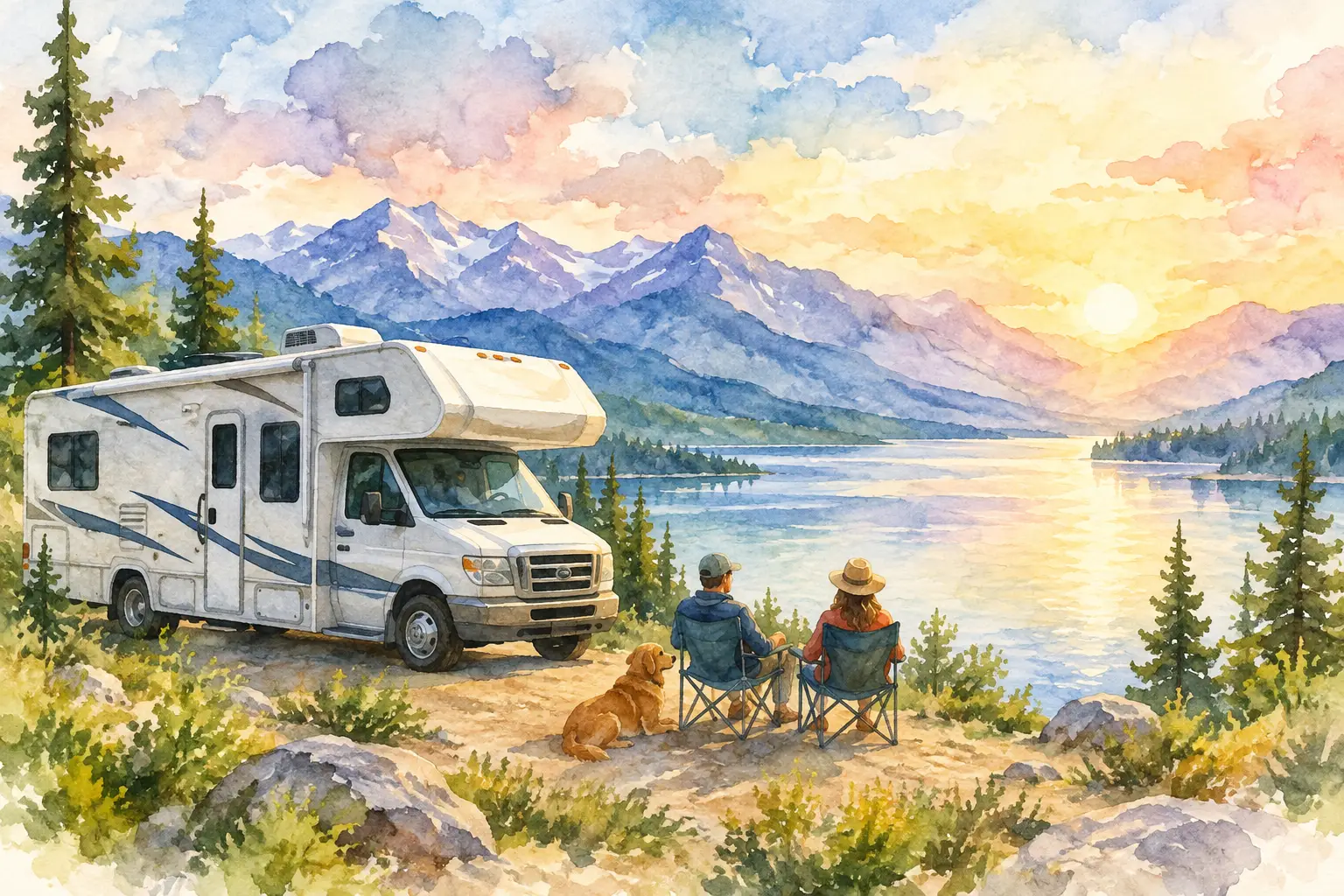
A motorhome holiday should begin with anticipation, not months of waiting for a factory build slot or worrying about whether a private seller has told you the full story. The best used motorhomes offer a more reassuring middle ground: a high-quality vehicle that is ready for the road, already equipped for real trips, and priced more gently than an equivalent new model.
For couples planning a slow drive through the Dolomites, families heading towards Croatia, or friends chasing a long weekend in Slovenia, buying nearly new can make excellent sense. But “used” covers everything from a carefully maintained ex-rental vehicle to an older motorhome with expensive surprises waiting beneath a polished exterior. Knowing the difference is where the value lies.
Why used motorhomes deserve a closer look
A new motorhome is a wonderful thing, but it is not the only route to modern comfort. Motorhomes lose a noticeable portion of their value in their first years, while the layout, engine, safety systems and living space can remain very close to current specifications. This creates an opportunity for buyers who care more about getting out on the road than being the first name on the registration document.
A lightly used vehicle may also come with useful extras already in place. Think awning, bike rack, reversing camera, navigation, upgraded bedding, kitchen kit or cab blinds. These additions can cost a considerable amount when purchased separately. With the right vehicle, you are buying a holiday-ready base rather than a long list of future jobs.
There is another practical advantage: immediate availability. If you have your eye on an autumn escape through Austria or want to be ready for next summer, a vehicle that is available now gives you freedom to plan around the weather and your own calendar.
That said, value is not simply the lowest sticker price. A cheap motorhome with unclear history, damp damage or worn tyres can become the most expensive purchase in the long run. The aim is to find a vehicle with a clear past and a confident future.
Ex-rental motorhomes: sensible or risky?
Some buyers hear “ex-rental” and imagine a vehicle that has had a hard life. That can be true when maintenance is inconsistent or handovers are rushed. Yet a professionally operated rental fleet is often one of the clearest places to find a lightly used motorhome.
A good rental business has every reason to keep its vehicles in excellent condition. Guests expect clean interiors, reliable heating, working electrics and trouble-free driving from the first kilometre of their holiday. Vehicles are checked between bookings, servicing follows manufacturer schedules, and faults are more likely to be identified early because the motorhome is used regularly rather than left standing for months.
The key question is not whether the motorhome was rented. It is how it was managed. Ask for its service record, maintenance documentation, mileage, accident history and warranty status. A dealer should answer directly, without vague promises or pressure.
At Flying Dog, lightly used vehicles from the rental fleet are maintained for guests who expect a premium experience on every trip. For a buyer, that means the same focus on cleanliness, equipment and dependable operation can carry into ownership.
What to inspect before you buy
A thorough viewing should feel unhurried. If possible, see the motorhome in daylight and allow enough time to try the systems rather than simply admiring the upholstery. A modern motorhome is both a vehicle and a compact home, so inspect both sides properly.
Start with the paperwork
The service book should show regular maintenance by suitable workshops, not just a few stamps without dates or mileage. Check the MOT position where applicable, habitation checks, invoices for repairs and the manufacturer warranty. If warranty cover remains, establish exactly what is transferable and whether there are conditions on servicing or ownership.
Also ask whether there is finance outstanding. This is a basic but essential check. A reputable dealer will handle this openly and provide a clear sales agreement.
Check for damp, leaks and neglected seals
Damp is one of the costliest motorhome problems because water can travel behind walls and floors before it becomes obvious. Look closely around rooflights, windows, lockers, bathroom walls and the area above the cab. A musty smell, staining, soft wall panels or lifted flooring deserve investigation.
A recent damp test is valuable, but do not treat a printed result as a substitute for your own inspection. Open cupboards, press gently around seals and ask when the last habitation inspection was completed. If anything feels uncertain, arrange an independent survey before committing.
Test the living equipment, not just the engine
Turn on the heating, fridge, hob, taps, lights, USB points and control panel. Check that the bathroom door closes properly and that all beds are comfortable enough for the people who will actually use them. A spacious lounge is less useful if converting it into a bed every evening becomes a chore.
Open every locker and garage door. Look for signs of water ingress, damaged catches and awkward storage. If you plan to carry skis, outdoor furniture, a pram or a dog’s travel kit, make sure the storage layout works for your kind of holiday.
Take a proper test drive
A test drive is about more than confirming that the engine starts. Listen for rattles, check braking behaviour, try the steering at low speed and assess visibility from the driver’s seat. If you have not driven a larger vehicle before, an automatic gearbox, reversing camera and modern driving assistance can make a meaningful difference to confidence.
Pay attention to the payload too. The motorhome may look generous on paper, but water, passengers, luggage, bikes and accessories soon add weight. Ask for the actual permitted payload and consider your normal travelling setup honestly.
Choose the layout before the badge
It is tempting to fall in love with a particular manufacturer or exterior design. Those matter, but the layout determines how the motorhome feels after three rainy days on the road.
Couples often appreciate a compact campervan or slim semi-integrated motorhome that is easier to park in towns and mountain villages. Fixed single beds or an island bed can make evenings more relaxed, especially if you do not want to rebuild the lounge each night. Families may need a proper separate sleeping area, generous dinette seating and enough belts for every passenger.
There is always a compromise. Larger motorhomes offer more living space and storage, but can be less convenient on narrow roads and busy campsites. Smaller campervans are agile and economical, though cupboard space and washroom comfort may be limited. Imagine a typical day on your intended route: where you will cook, change clothes, dry wet jackets and sleep. That picture will guide you better than a glossy brochure.
Calculate ownership beyond the purchase price
Set aside a realistic annual budget for insurance, servicing, tyres, habitation checks, storage and campsite fees. Fuel consumption matters too, particularly if your dream route includes long motorway stretches or Alpine climbs. A newer engine and automatic transmission may cost more initially, but could make frequent touring much more enjoyable.
Consider how often you will use the motorhome. If you expect several longer trips each year plus spontaneous weekends, ownership can bring enormous freedom. If you will travel only once annually, renting may remain the more sensible option. There is no wrong answer – only the arrangement that gives you the most holidays with the least stress.
Before signing, make sure these essentials are clear:
- the full vehicle and habitation service history;
- remaining manufacturer and dealer warranty cover;
- documented damp checks and any repairs completed;
- the true payload after fitted accessories; and
- exactly what equipment is included in the agreed price.
A well-chosen used motorhome is not a compromise on adventure. It is a practical way to own more of your time: breakfast beside an Austrian lake, an unplanned stop in an Italian hill town, or a quiet evening under the awning with tomorrow’s route still gloriously open.
