
LMC Campervan Review for European Road Trips
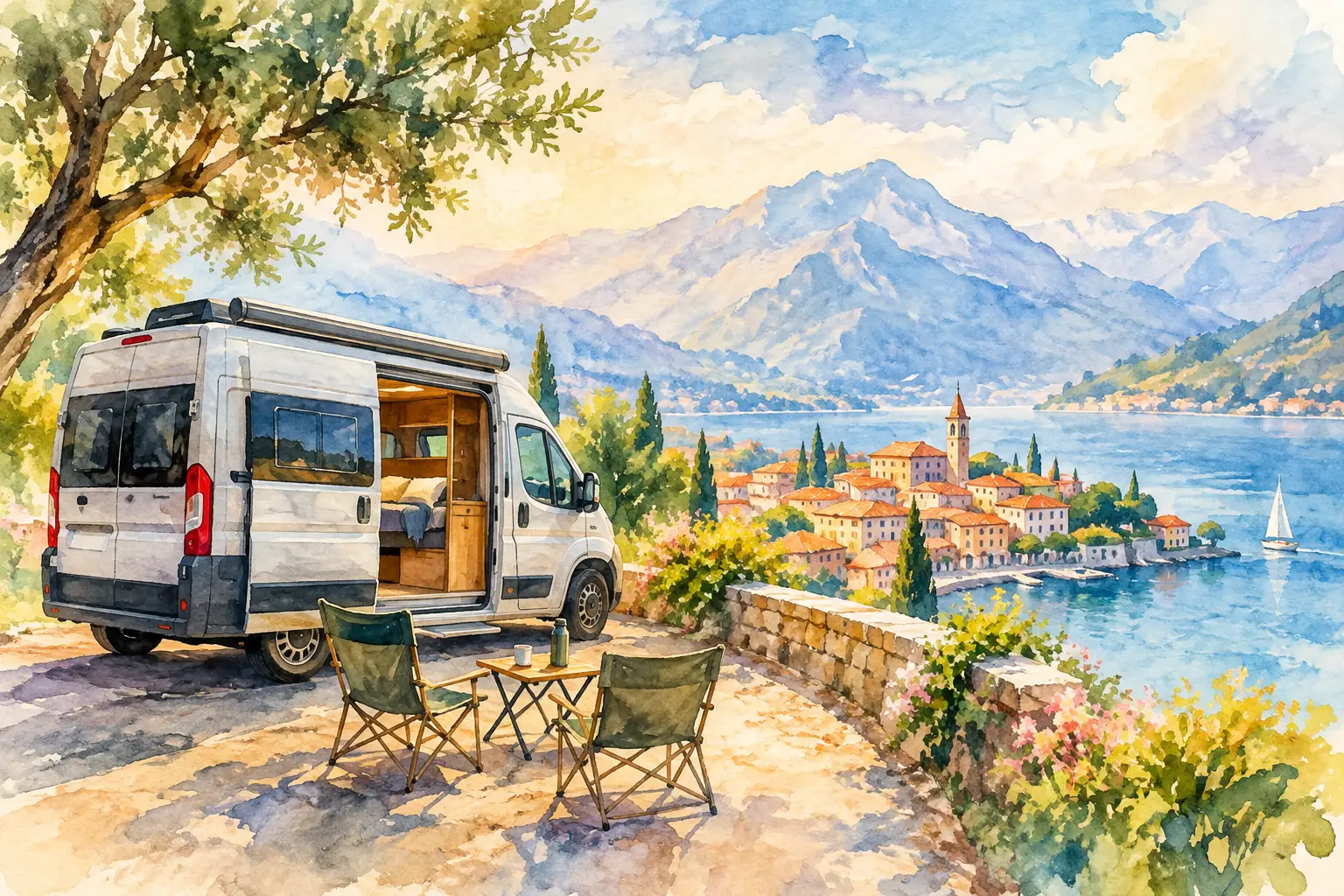
A campervan can look excellent on a forecourt and still feel wrong after three rainy nights, a long Alpine drive and a hurried stop at a motorway service area. That is why an honest LMC campervan review should look beyond glossy finishes. For European road trips, the questions are simple: is it comfortable to live in, easy to drive, warm enough when the weather turns, and practical when every part of the vehicle is being used?
LMC has built a strong reputation among travellers who want German-made quality without choosing a motorhome that feels overly formal or difficult to use. Its campervans are designed for real holidays: moving between cities, lakes, mountains and campsites while keeping your bed, kitchen and essential comforts close at hand. The exact specification naturally varies by model and build, but the overall approach is clear – thoughtful interiors, solid construction and touring-friendly equipment.
What an LMC campervan feels like on the road
The first pleasant surprise for many drivers is that an LMC campervan does not feel as intimidating as its accommodation suggests. It is still a larger vehicle than a car, so narrow village lanes and busy historic centres need care. Yet the driving position, mirrors, modern safety systems and well-organised cab help make longer journeys less tiring.
Automatic transmission is particularly valuable for touring across Austria, Slovenia, northern Italy or Croatia, where traffic, gradients and frequent stops can quickly make a manual vehicle feel like hard work. It lets the driver focus on positioning, road signs and the view ahead rather than constant gear changes. For first-time campervan drivers, that extra confidence matters.
At motorway speeds, the experience is stable and composed rather than sporty. You will notice crosswinds more than in an ordinary car, and sensible speed is essential, especially with a fully loaded vehicle. This is not a criticism unique to LMC; it is part of travelling with a tall campervan. The reward is arriving at a lakeside pitch or a quiet vineyard with your accommodation already there.
Parking is the main compromise. A campervan gives far more freedom than a larger coachbuilt motorhome, but it will not fit every city-centre space. Planning ahead pays off. Use campsite shuttles, park on the edge of a city, or take public transport for a day of sightseeing. For travellers who want to cover Europe without sacrificing a proper bed and private facilities, it is a very fair trade.
LMC campervan review: comfort after a full day outside
A good campervan interior should make a wet jacket, muddy walking boots and supermarket shopping feel manageable. LMC generally gets the balance right between a clean, contemporary look and useful everyday storage. The finishes feel considered, while the layout remains focused on living rather than showroom drama.
The lounge area is where this becomes most obvious. Swivel cab seats can extend the social space, while the table creates a practical place for breakfast, laptop work or planning tomorrow’s route. On a sunny evening you may spend little time inside. When a summer storm arrives, however, a welcoming seating area makes all the difference.
Sleeping comfort deserves close attention when choosing any campervan. LMC layouts commonly make good use of fixed rear beds, pop-top roofs or convertible dining spaces, depending on the model. Couples may prefer the ease of a permanent bed, particularly on a multi-stop holiday. Families or groups may value extra berths, but should be realistic about bedtime routines and how much indoor space they need when everyone is awake.
The kitchen is compact by design, not a replacement for a large kitchen at home. It is ideal for coffee before a hike, pasta after a swim, or a simple meal when you do not want to find a restaurant. Expect sensible worktop compromises. If cooking is central to your holiday, choose a layout with enough preparation room and make use of the outdoor table whenever the weather allows.
A washroom with toilet and shower facilities adds a great deal of independence, especially outside peak season or when travelling with children. At the same time, a campervan bathroom is necessarily compact. Most experienced travellers use campsite facilities when they are excellent and keep the onboard shower for convenience, quick rinses and more remote overnight stops.
The details that matter more than brochure figures
Vehicle length, bed dimensions and storage capacity are easy to compare. The best decision often comes down to how you travel. Before booking or buying, consider four practical points:
- Passenger numbers and seat belts: sleeping places and legal travelling seats are not always the same thing.
- Your typical journey length: a weekend city break has different needs from a three-week route through the Dolomites and Adriatic coast.
- Outdoor equipment: bikes, hiking gear, paddleboards and a dog can change the storage calculation quickly.
- Season of travel: heating, insulation, hot water and adequate power become far more important in spring, autumn and mountain regions.
LMC’s appeal is that it tends to support a comfortable touring rhythm. You can make a proper breakfast, keep clothes organised, charge devices and sleep in a space that feels protected from the weather. Those are not glamorous features, but they shape whether a road trip stays enjoyable after the first few days.
Is an LMC campervan right for couples, families and dog owners?
For couples, an LMC campervan can be an especially strong fit. It offers enough space to avoid feeling confined while remaining easier to manoeuvre than a larger motorhome. A couple can change plans freely: stay an extra night by Lake Bled, take a detour through the Austrian Alps, or stop in a small Croatian campsite close to the sea.
Families need to be more selective about layout. A well-planned campervan can create a brilliant shared holiday, particularly for families who spend most days outdoors. Children usually love the sense of adventure and the changing scenery. But families should check bed arrangements carefully, allow for indoor wet-weather time and avoid assuming that every advertised berth will suit adults or taller teenagers equally well.
For dog owners, a campervan is one of the most relaxed ways to travel. There is no repeated hotel check-in, no need to pack and unpack every night, and your dog has a familiar base throughout the journey. Good ventilation, sensible storage for leads and towels, and a layout that leaves clear floor space are more useful than decorative extras.
Rental versus buying: the practical LMC question
Hiring an LMC campervan is a sensible first step if you are new to this style of travel or want to test a particular layout. A proper handover, fully equipped vehicle and access to technical support remove much of the anxiety that can come with a first trip. At Flying Dog, travellers can begin from Bratislava and set out towards some of Europe’s most rewarding road-trip countries with a modern, high-specification vehicle and personal guidance.
Buying makes more sense when campervan travel is becoming a regular part of your life. For frequent travellers, ownership means setting up the vehicle around your own habits and leaving favourite equipment in place. New and lightly used examples can both be attractive, but condition, maintenance history, remaining warranty and the exact fitted equipment should carry more weight than mileage alone.
An almost-new former rental vehicle can be a particularly sensible option when it has been professionally maintained, carefully inspected and still benefits from warranty protection. It may also be available sooner than a factory order. The right choice depends on how soon you want to travel and whether you value a particular specification over immediate availability.
A fair verdict on LMC campervans
LMC campervans suit travellers who want freedom without making every night feel improvised. They are not designed to be tiny city cars, and compact washrooms and kitchens will always require a little adjustment. But for couples, active families and dog owners who value warmth, sleeping comfort, practical storage and confident long-distance touring, they offer a convincing balance.
The most useful next step is not simply comparing photos. Sit in the lounge, lie on the bed, open every cupboard and imagine a rainy evening after a long drive. The right campervan is the one that still feels easy, welcoming and ready for tomorrow’s road.
