
New Versus Used Motorhomes: Which to Buy?
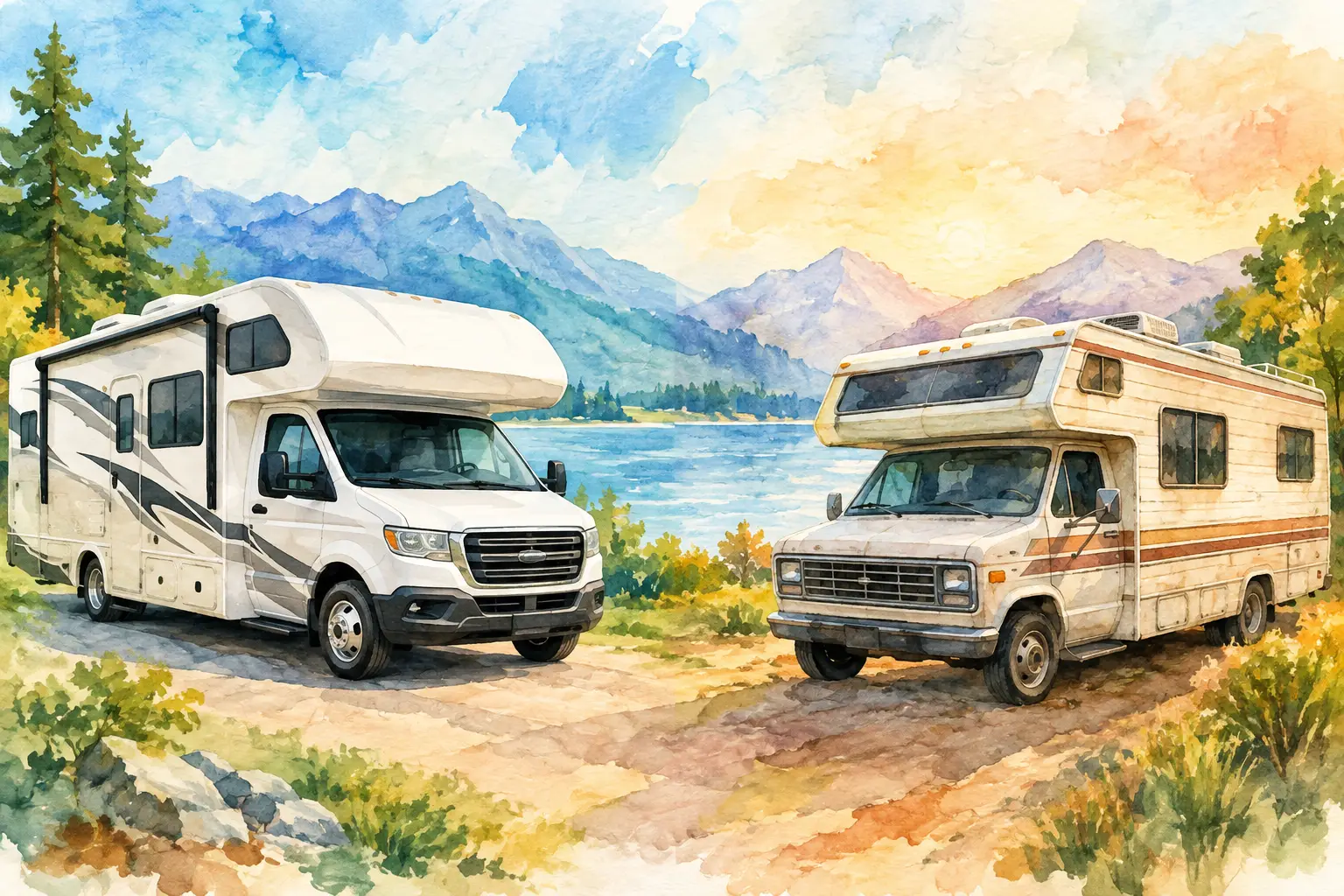
Imagine leaving Bratislava after breakfast, crossing into Austria before lunch and parking beside a lake in Slovenia by evening. The question of new versus used motorhomes shapes how that freedom feels from day one: reassuringly fresh and fully specified, or better value with more of your budget left for the road.
There is no universally correct answer. A new motorhome can bring the pleasure of being its first owner, the latest design and full manufacturer protection. A carefully chosen used model can offer almost the same comfort for a lower initial outlay, particularly when it comes from a professionally managed fleet with documented care. The right choice depends on how often you will travel, how long you plan to keep the vehicle and what gives you confidence behind the wheel.
New versus used motorhomes: start with your journey
Before comparing prices, picture the holidays you actually want to take. A couple planning long summer tours through Italy, Croatia and the Dolomites may value a modern automatic gearbox, a quiet lounge, generous storage and an efficient heating system. A family travelling during school breaks may put sleeping layout, ISOFIX points, a practical kitchen and a separate shower at the top of the list.
If this is your first motorhome, ease matters more than a long list of optional extras. A clear handover, sensible driving aids, built-in navigation and equipment that is ready for a weekend away can make the learning curve far less daunting. Newer motorhomes often package those benefits neatly, but a lightly used vehicle may already include valuable accessories that a first owner paid for separately.
Think about ownership, too. If you expect to take several trips each year and keep the vehicle for five years or more, buying new can be a satisfying long-term decision. If you are testing whether motorhome life suits your family, or you want a premium vehicle without the largest first-year depreciation, an almost-new used model deserves serious attention.
What a new motorhome gives you
A new motorhome offers certainty. You know its full history because it begins with you. There are no unanswered questions about previous driving habits, winter storage or whether a repair was completed properly. You can also choose a layout and specification that fits your travel style rather than adapting to someone else’s choices.
Modern European motorhomes have become notably easier to live with. Automatic transmission takes strain out of city traffic and Alpine routes, while reversing cameras, safety systems and well-designed cabs help even less experienced drivers settle in. Inside, better insulation, LED lighting, USB charging, clever storage and contemporary washrooms make wet-weather days more comfortable as well as sunny ones.
Warranty protection is another major advantage. Manufacturer warranties vary by make, component and country, so always check the exact terms, but a new vehicle generally offers the broadest cover and the longest period before routine age-related issues are likely to arise. That reassurance can be particularly valuable if your plans involve crossing several borders each season.
The trade-off is price. New motorhomes depreciate most sharply in their first years, just as cars do. You may also need to budget for accessories such as levelling ramps, outdoor furniture, bedding, a bike rack or extra power equipment, depending on what is included. A lower monthly finance figure can be attractive, but look at the total amount payable and the realistic resale value rather than choosing on monthly cost alone.
New is best when specification matters most
Buying new makes particular sense if you have a precise non-negotiable requirement. Perhaps you need a compact campervan for narrow village streets, a larger family motorhome with fixed beds, a dog-friendly layout with durable upholstery, or an automatic vehicle for confident touring. When the right floorplan will make or break every trip, the ability to order or select exactly what you need is worth paying for.
It is also the stronger choice for buyers who want to minimise surprises. No motorhome is entirely maintenance-free, but a new one gives you the clearest starting point and the most time before age becomes a bigger factor in seals, tyres, batteries and appliances.
The case for a lightly used motorhome
Used does not have to mean worn, outdated or uncertain. The most appealing used motorhomes are often one to three years old, sensibly specified and supported by a complete service record. They have absorbed part of their early depreciation while still offering modern driving comfort, attractive interiors and plenty of life ahead.
For many buyers, the strongest value sits in this almost-new category. The price difference can create room for insurance, seasonal storage, campsite stays and those spontaneous extra weeks away. It may also put a higher-specification layout within reach: perhaps the model with an automatic gearbox, upgraded heating, awning or larger fridge that was beyond the budget when new.
A professionally maintained former rental motorhome can be especially compelling, provided its history is transparent. Rental vehicles may have had more different drivers than privately owned examples, but a reputable operator has every reason to maintain them carefully, address faults promptly and keep them equipped for real journeys. Low-use fleet vehicles with service documentation, a proper inspection and remaining warranty can offer a practical middle ground between new and private-sale used.
At Flying Dog, lightly used vehicles from the rental fleet are positioned precisely this way: modern, maintained and ready for their next adventures, with the benefit of clear vehicle knowledge rather than a vague sales history.
What to inspect before buying used
A good used motorhome should make you feel informed, not rushed. Ask to see its service history, habitation checks, damp inspection records and paperwork for any repairs. Confirm the mileage and check whether the timing belt, tyres, leisure battery and gas equipment are within their recommended service intervals.
During a viewing, do more than admire the upholstery. Open every locker, test the taps, heating, fridge, lights, windows, blinds and charging points. Look closely around rooflights, window seals, external locker doors and the bathroom for signs of water ingress. Damp is one of the most expensive problems a motorhome can develop, and a proper professional check is far more valuable than a quick glance on a dry afternoon.
Take a test drive if possible. Pay attention to visibility, braking, steering, cab noise and how comfortable you feel manoeuvring. Try the beds, sit at the dining table and imagine preparing breakfast when everyone is inside because it is raining. A layout that looks excellent in photographs can feel cramped once coats, shoes, food and outdoor kit arrive.
Compare the real cost, not only the ticket price
The purchase price is only the opening number. Whether new or used, factor in insurance, servicing, annual habitation checks, tyres, storage, road taxes where applicable and any finance costs. If you will travel across Europe, consider the value of comprehensive cover and reliable support as well as the cost of repairs.
New buyers usually face higher upfront cost and early depreciation, but may spend less on immediate maintenance. Used buyers pay less initially and may lose less in depreciation, but should keep a sensible reserve for replacement items and servicing. Neither route is automatically cheaper over several years.
A simple way to compare two vehicles is to estimate your total cost over the period you expect to own them. Add the purchase price, finance, insurance, maintenance and upgrades. Then subtract a cautious estimate of the resale value. This gives a more honest picture than comparing the showroom sticker with a used advert.
Four questions that make the decision clearer
Ask yourself these questions before falling in love with a particular interior:
- How many weeks each year will we genuinely use it?
- Do we need a specific layout, automatic transmission or the latest safety equipment?
- Would we rather protect our budget for travelling, or pay more for the confidence of being first owner?
- Can we inspect a used vehicle properly and keep a maintenance reserve?
If your answers point towards simplicity, exact specification and long-term ownership, new may justify its premium. If they point towards value, faster availability and a vehicle that is already proven on the road, lightly used can be the smarter buy.
Do not let the purchase steal the adventure
The best motorhome is not necessarily the newest one or the cheapest one. It is the one that fits your people, your routes and your appetite for ownership. Choose a vehicle you will be happy to drive through a mountain pass, cook in during a summer storm and wake up in beside the sea. Then give it the care it deserves, pack lightly and leave enough room in the budget for the journeys that made you want a home on wheels in the first place.
